
Indoor air quality is a critical aspect of your home’s overall comfort and your family’s well-being, as we spend most of our time indoors. Poor indoor air quality can have a significant impact on the environment within your house, affecting not just comfort levels but also posing potential health risks. Lack of proper ventilation, accumulation of dust and allergens, and the presence of harmful pollutants and chemicals all contribute to reduced air quality. It’s crucial to prioritize the air quality in your home to ensure a healthy and comfortable living environment for you and your loved ones.
An array of factors influences the quality of the air you breathe within your house, and many of these can be easily overlooked. Some common contributors to poor indoor air quality include tobacco smoke, pet dander, volatile organic compounds (VOCs) from household products, mold and mildew, and even outdoor pollution seeping in through windows and doors. Although we can’t always control outdoor factors, taking proactive measures to manage indoor air quality is possible and can lead to significant improvements in the air you breathe at home.
Apart from comfort, poor indoor air quality can also have concerning effects on one’s health. Short-term exposure to contaminants and allergens may lead to issues such as irritated eyes, headaches, dizziness, or fatigue, while long-term exposure can result in more severe health consequences like respiratory illnesses, heart disease, and even cancer. Additionally, those with asthma, allergies, or other respiratory complications are at higher risk and may experience aggravated symptoms when dealing with poor indoor air quality.
To improve the air quality and ensure a healthy living environment in your home, implementing effective ventilation, regular maintenance of your heating and air conditioning system, and mindful habits are crucial. We will discuss various strategies to help you breathe easier and create a comfortable, healthy indoor environment for your family.
Implementing Proper Ventilation Strategies
Effective ventilation is essential in maintaining good indoor air quality within your home. It helps remove stale indoor air, which carries pollutants, and ushers in fresh outdoor air. Here are some essential ventilation strategies that homeowners can adopt to improve indoor air quality:
1. Natural ventilation: Opening windows and doors is one of the easiest ways to introduce fresh air and improve indoor air quality. However, this method might not be suitable for those living in highly polluted areas or during extreme weather conditions.
2. Mechanical ventilation: Exhaust fans, air vents, or whole-house fans can be installed to mechanically remove stale indoor air, promote air circulation, and enhance overall air quality. These systems may prove useful in eliminating excess moisture, reducing odors, and decreasing the concentration of indoor pollutants.
3. Balanced ventilation: This approach involves using a combination of intake and exhaust systems to bring in fresh air and expel old air simultaneously, ensuring a continuous flow of clean air and helping to maintain a healthier indoor environment.
Minimizing Sources of Indoor Air Pollutants
Identifying and reducing the potential sources of indoor air pollutants is critical in maintaining and improving indoor air quality. Here are some steps you can take to eliminate or limit exposure to various indoor air contaminants:
1. Avoid smoking indoors: Cigarette smoke contains numerous harmful chemicals, which can severely compromise the quality of the air you and your family breathe. Encourage smoking outdoors or quitting altogether.
2. Limit the use of chemicals: Many household cleaning products emit volatile organic compounds (VOCs) that can affect indoor air quality. Opt to use natural, organic, or low-VOC cleaning and personal care products whenever possible to minimize harmful emissions.
3. Control moisture levels: Excess humidity can lead to mold and mildew growth, which consequently degrade air quality. Invest in humidity control measures like dehumidifiers, exhaust fans, and properly sealed windows to keep moisture levels within the recommended range (30-50%) and prevent mold growth.
4. Proper pet care: Pet dander is a common indoor air pollutant, especially for individuals with allergies or respiratory sensitivities. Regular grooming and bathing of your pets can cut down on pet dander and help improve indoor air quality.
Air Filtration and Purification Systems
In addition to proper ventilation and minimizing pollutant sources, investing in air filtration and purification systems can also significantly enhance indoor air quality. While heating and air conditioning systems often come equipped with basic air filters, supplementary filtration and purification technologies can help target specific contaminants and allergens more effectively. Some popular air filtration and purification options include the following:
1. High-efficiency particulate air (HEPA) filters: These filters can trap a higher percentage of particles, including allergens, dust, mold spores, pet dander, and more, compared to standard filters. Installing HEPA filters can provide an extra layer of protection to maintain good indoor air quality.
2. Activated carbon filters: These specialized filters are effective at removing odors and VOCs emitted from household products, contributing to a cleaner living environment.
3. Air purifiers: Standalone air purifiers often come with a combination of filtration mechanisms like HEPA filters, activated carbon filters, and sometimes even ultraviolet germicidal irradiation (UVGI) to kill bacteria, viruses, and mold spores.
Regular Maintenance of Your Heating and Air Conditioning System
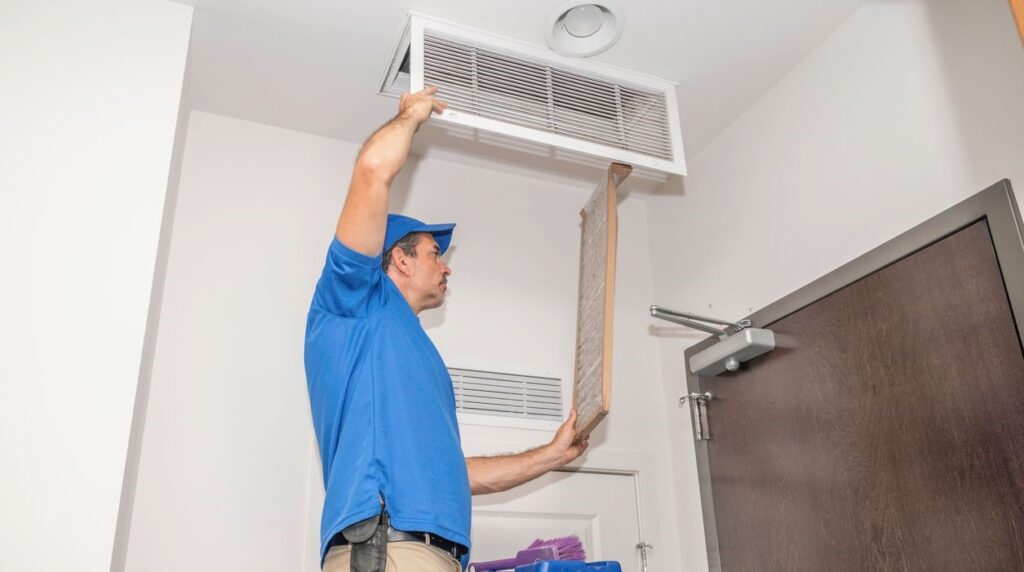
Ensuring proper maintenance of your heating and air conditioning system is vital for maintaining good indoor air quality. Regular cleaning of the system components, timely servicing, and changing the air filters at recommended intervals can help your system function efficiently without releasing any contaminants indoors. Moreover, professional service providers can check for issues such as duct leaks or obstructions that may negatively impact the air quality within your home.
Conclusion
Maintaining excellent indoor air quality is crucial for a comfortable and healthy living environment. By implementing efficient ventilation strategies, minimizing pollutant sources, investing in air filtration and purification systems, and scheduling regular maintenance of your heating and air conditioning system, you can ensure clean and fresh air for you and your family to breathe.
Spire Heating and Air Conditioning is a reliable air conditioning repair contractor that can optimize your home’s comfort and indoor air quality. Remember to reach out to us when you need professional guidance or assistance, so you can enjoy a healthier living experience.