
As homeowners, we consistently seek ways to enhance the comfort level within our homes while minimizing our impact on the environment and, ultimately, our utility costs.
There’s no denying that heating and air conditioning systems are among the biggest consumers of energy in our households. However, improving the energy efficiency of your heating and air conditioning system can help make the climate in your home more comfortable, reduce your carbon footprint, and lower energy expenses in the long run.
Improving your system’s energy efficiency is not only about upgrading to the latest equipment or investing in costly improvements to your home’s infrastructure. While these measures undoubtedly contribute, there are several simple and easy-to-implement strategies that can result in significant energy savings. These efficiency hacks focus on helping your heating and air conditioning system work smarter, rather than harder, by providing simple adjustments, monitoring, and maintenance solutions.
In this article, we’ll discuss the top five energy efficiency hacks for your heating and air conditioning system that you can implement to achieve a perfect balance between comfort and cost.
Mastering Thermostat Usage and Settings
Your thermostat is the key to balancing comfort and energy efficiency within your home. By learning to use it smartly, you can optimize your heating and air conditioning system’s performance without wasting energy. Here are a few thermostat-related hacks to boost efficiency:
1. Choose a programmable or smart thermostat: Programmable thermostats allow you to customize the temperature settings based on a schedule, automatically adjusting temperatures when you’re not around or when you’re asleep. Smart thermostats offer even more advanced features, such as learning capabilities and remote access, making it easy to adjust your system’s settings for optimal efficiency.
2. Set temperatures strategically: Adjust your thermostat settings between 68°F-72°F during winter and 74°F-78°F during summer to strike a good balance between comfort and efficiency. For each degree of adjustment, you can save approximately 1% on your heating or cooling costs.
3. Utilize energy-saving modes: Most modern thermostats come with energy-saving modes that automatically adjust temperature settings to save energy when you’re away from home or when no activity is detected.
Harness the Benefits of Zone Control Systems
Zone control systems allow you to independently control the temperature settings in various areas or “zones” of your home, offering a personalized level of comfort while optimizing energy use. By installing a zone control system, you can:
1. Reduce energy consumption: Implementing a zone control system in your home allows you to heat or cool specific areas as needed, using the least amount of energy possible.
2. Increase comfort levels: With the ability to customize temperature settings for different areas of your home, you can create the perfect comfort levels for each room to suit the preferences of individual family members.
3. Extend system lifespan: A zone control system reduces the strain on your heating and air conditioning system, potentially increasing the lifespan of your equipment.
Ensure Regular Maintenance for Optimal Performance
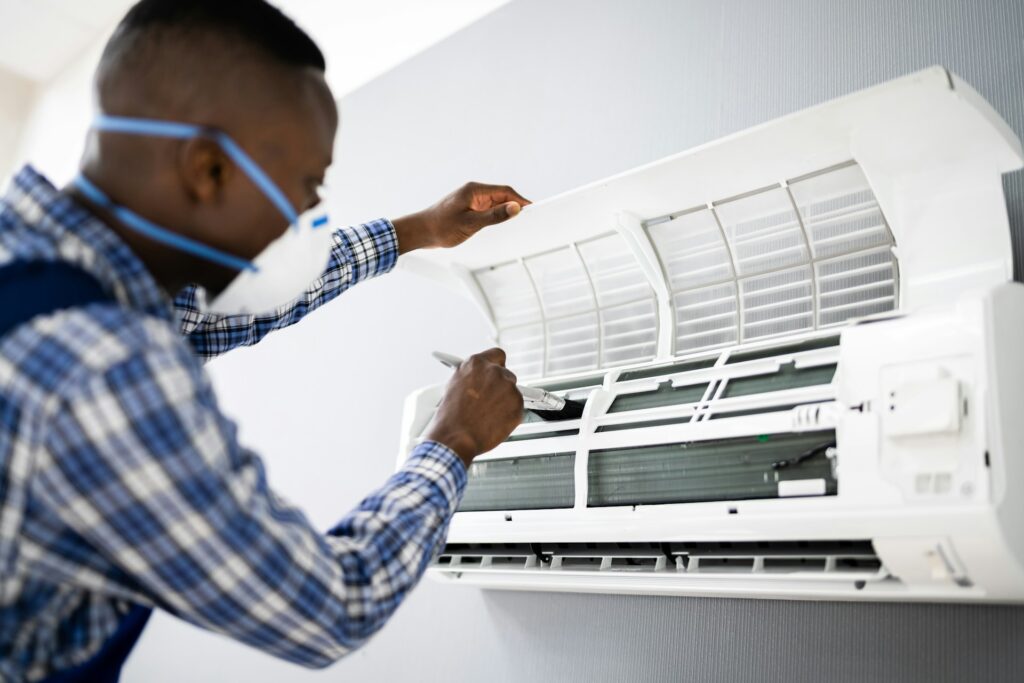
Regular maintenance of your heating and air conditioning system is crucial for maintaining its energy efficiency. Scheduling routine check-ups can prevent minor issues from becoming costly problems and keep your system running smoothly. Here are a few maintenance tips for better energy efficiency:
1. Change air filters: Replace air filters every 30-90 days, depending on your system’s requirements and usage. Dirty air filters make your system work harder, consuming more energy and reducing its overall efficiency.
2. Clean air vents and ducts: Regularly cleaning the air vents and ducts in your home can eliminate obstructions, ensuring proper airflow and reduced strain on your heating and cooling system.
3. Professional maintenance: Schedule professional maintenance visits at least once a year for a thorough inspection, cleaning, and servicing of your system. This ensures optimal efficiency, reduces the likelihood of breakdowns, and prolongs the life of your system.
Invest in Air Sealing and Insulation Improvements
Air sealing and insulation upgrades can significantly enhance your home’s energy efficiency by minimizing heat loss and reducing your heating and air conditioning system’s workload. Here are some areas where you can improve air sealing and insulation:
1. Windows and doors: Ensure proper sealing around windows and doors to avoid drafts and heat loss. Caulking or weatherstripping can be utilized to seal gaps and improve your home’s insulation.
2. Insulating the attic: Upgrading or adding insulation in your attic can minimize heat loss in the winter and heat gain in the summer, reducing your system’s energy consumption and enhancing overall efficiency.
3. Insulating ductwork: Properly sealing and insulating your HVAC ductwork can help prevent air leakage and reduce energy loss from your heating and air conditioning system.
Final Thoughts
Implementing these top energy efficiency hacks for your heating and air conditioning system can help you save on utility costs, enhance comfort levels, and minimize your environmental impact. Mastering your thermostat usage, installing a zone control system, ensuring regular maintenance, and investing in air sealing and insulation improvements are all steps towards achieving a more energy-efficient home.
And, if you need expert advice or support in your quest for energy efficiency, remember to rely on Spire Heating and Air Conditioning for all your heating and air conditioning needs in Dallas.