
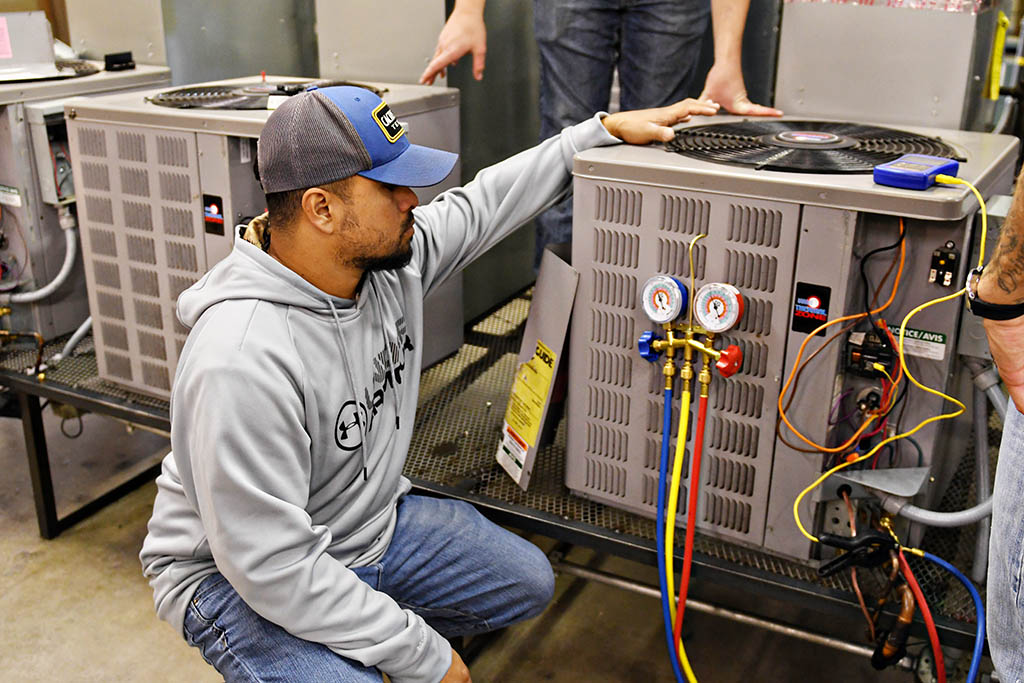
As a homeowner, one of the most important aspects of maintaining your home is ensuring that your heating and air conditioning system is running smoothly all year round. This not only guarantees optimum comfort for your household but also minimizes the chances of expensive repairs or system breakdowns in the future. While every homeowner may not be familiar with the intricacies of their heating and air conditioning system, there are a few crucial maintenance tips that can help keep your system operating at peak performance. In this article, we will provide a comprehensive guide on how to maintain your heating and air conditioning system, ensuring that it remains in top condition and serves you well throughout the various seasons of the year.
A well-maintained heating and air conditioning system is vital for a comfortable home environment, energy efficiency, and long-lasting equipment. That being said, it is essential for you to understand the functions and requirements of your specific system, as this will play a key role in determining what kind of maintenance tasks should be carried out. For instance, a furnace demands different maintenance strategies compared to a heat pump. Similarly, the upkeep of central air conditioning units will vary when compared to ductless mini-split systems.
Regardless of the type of heating and cooling system you have in your home, regular maintenance is key to ensure efficiency, prolong the life of the unit, and prevent problems that could lead to costly repairs. Some of these maintenance tasks can be performed by homeowners themselves, while others may require the expertise of a professional HVAC technician. This article will discuss various essential maintenance practices that you can implement to prevent issues, such as changing filters, cleaning ducts and vents, and scheduling routine professional inspections and tune-ups.
Understanding the Key Components of Your Heating and Air Conditioning System
To efficiently maintain your heating and air conditioning system, it’s crucial to understand its key components. While different systems have their unique features, most comprise some common elements. These include:
1. Thermostat: This essential component controls the temperature settings of your system. Properly calibrating your thermostat ensures that the heating and cooling settings match your preferences, and it can help save energy by avoiding unnecessary temperature fluctuations.
2. Air Filters: These vital parts remove dust, pollen, and other airborne particles before they enter your living space. Clean air filters not only ensure better air quality but also prevent the accumulation of debris inside your system, which can reduce efficiency and lead to breakdowns.
3. Ductwork: The ducts in your home help circulate conditioned air throughout your rooms. Ensuring these are leak-free, clean, and properly sealed can improve the overall efficiency of your heating and cooling system.
4. Heating and cooling components: These are the primary elements, such as furnace, boiler, heat pump, or air conditioning unit, that generate the hot and cold air for your home. Regular maintenance for these main components is vital for extending their lifespan and preventing major issues.
Regular Filter Changes – A Crucial Maintenance Task
One of the most straightforward and essential tasks you can perform for your heating and air conditioning system is regularly changing the air filters. Over time, filters collect dirt and debris that make it harder for air to circulate through your system, forcing it to work harder and consume more energy. This strain on your equipment can result in reduced efficiency and an increased risk of breakdowns.
Replace your air filters every one to three months, depending on the type and usage, to keep your system performing optimally. If you have pets, allergies, or live in a particularly dusty area, you may need to replace them more frequently. When choosing a replacement filter, opt for one with a sufficient MERV (Minimum Efficiency Reporting Value) rating to effectively remove particles and maintain optimal air quality.
Cleaning Vents, Ducts, and Components for Better Performance
Another essential maintenance task involves cleaning the various parts of your heating and cooling system, including vents, ducts, and components. Dust and debris can accumulate in these areas, restricting airflow and placing an additional burden on the system. Regularly cleaning your system ensures optimal airflow, increasing your system’s efficiency and prolonging the life of crucial components.
To clean the vents and ducts, turn off your system and remove any dust or dirt that may be lodged in the openings. Use a vacuum cleaner attachment to clean the vents and ductwork further. If you notice significant dust buildup within the ducts, or if mold and mildew are present, it is advisable to consult a professional for thorough duct cleaning.
Additionally, ensure that the outdoor components of your system (such as the condenser or compressor) are clear of debris, leaves, or obstructions. Routinely cleaning these areas will contribute to the overall performance and longevity of your heating and air conditioning system.
Scheduling Regular Professional Inspections and Tune-Ups
Besides DIY maintenance tasks, it’s crucial to schedule regular professional inspections and tune-ups to ensure your heating and cooling system continues functioning efficiently. Expert technicians can diagnose and address minor issues before they escalate into costly repairs or system breakdowns.
During these inspections, technicians will evaluate your heating and cooling system as a whole, checking the gas and electrical connections, testing thermostat calibration, inspecting the compressor, and assessing system controls for potential problems. Additionally, they will clean and lubricate parts, check for refrigerant leaks and correct levels, and examine for proper airflow. By performing these crucial checks, professional technicians can keep your system in prime condition and even help extend its lifespan.
Developing Energy-Saving Habits
Aside from regular maintenance, developing energy-saving habits will significantly contribute to maintaining the efficiency of your heating and air conditioning system. Some of these habits include adjusting thermostat settings when not at home, using ceiling fans or room fans to circulate air, and investing in insulation or weatherstripping to keep drafts at bay. By adopting these practices, not only will you save energy, but you’ll also prevent undue strain on your system.
Conclusion
A properly maintained heating and air conditioning system ensures optimum indoor comfort, efficiency, and prolonged equipment life. By undertaking regular filter changes, cleaning vents, ducts, and components, scheduling professional inspections, and adopting energy-saving habits, you can effectively keep your system in top shape.
Remember that for any significant issues or concerns, it is always best to consult with experts like Spire Heating and Air Conditioning who can provide informed guidance and quality services to maintain your heating and cooling system’s performance and longevity.